
[Narrator, archive and actor speaking Witness testimony]
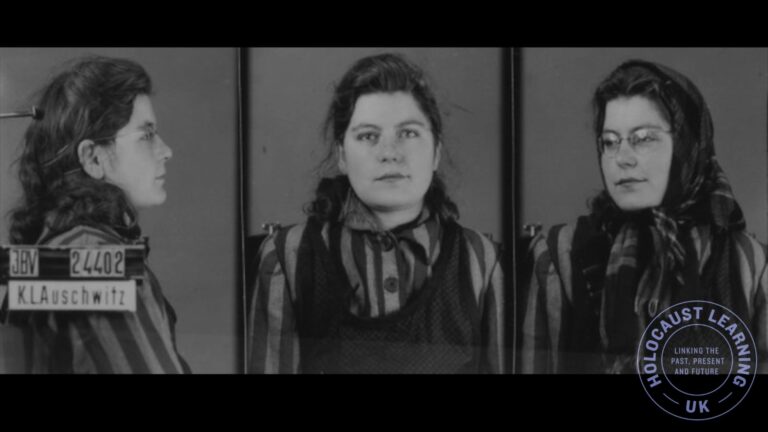
Ludwika was a Polish prisoner nurse at Auschwitz-Birkenau who worked for Joseph Mengele. She describes how one of Mengele’s interests was twins as well as children with various abnormalities. He was particularly gentle with those children that he was most interested in. They trusted him and called him “Uncle”. In the final stage of his research, these children were usually put to death.
[Narrator, archive and actor speaking Witness testimony]
Ludwika was a Polish prisoner nurse at Auschwitz-Birkenau who worked for Joseph Mengele. She describes how one of Mengele’s interests was twins as well as children with various abnormalities. He was particularly gentle with those children that he was most interested in. They trusted him and called him “Uncle”. In the final stage of his research, these children were usually put to death.
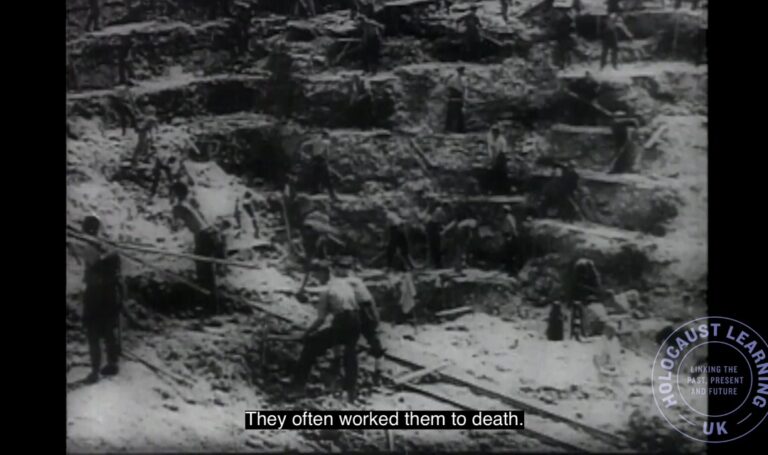
Gerhard witnessed how elderly Jews were abused as slave labourers by local collaborators.
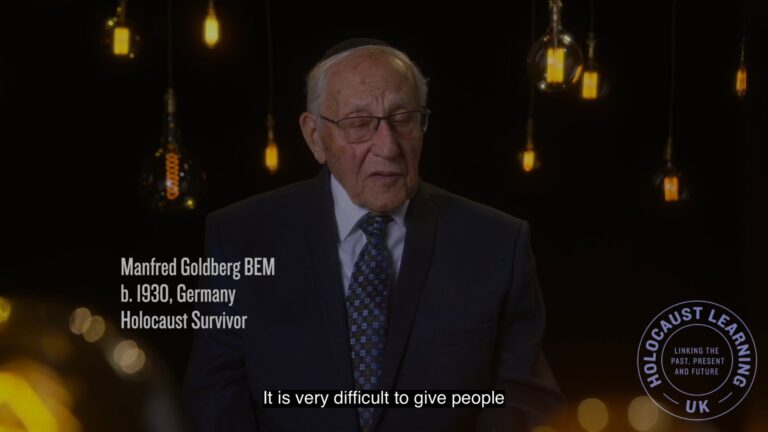
Manfred was 12 when he was a slave labourer in a work camp in Poland.
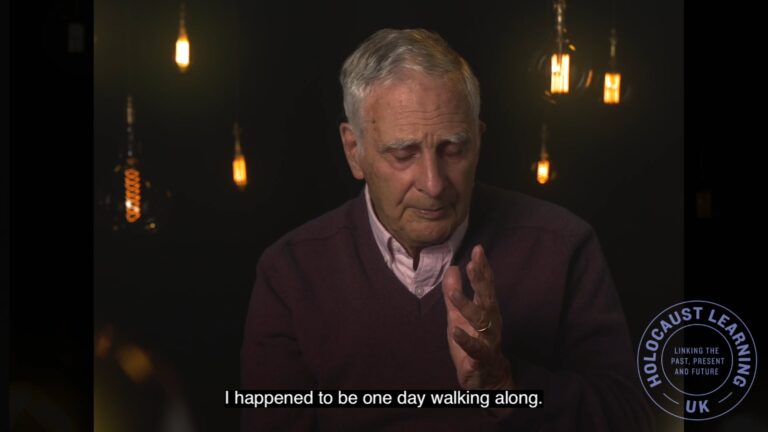
Steven was 8 when he was attacked by a guard dog at Westerbork Transit Camp in the Netherlands.
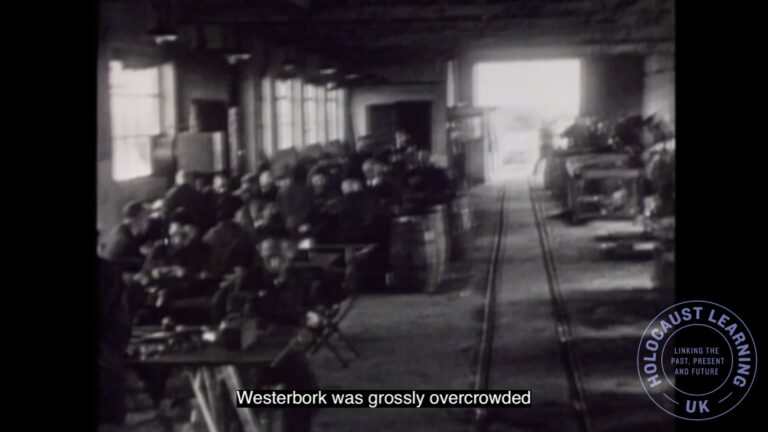
Steven was 8 when he was a prisoner in Westerbork Transit Camp. He describes the unsanitary conditions.
Steven was 9 when he came to Theresienstadt Ghetto. He talks about hunger.
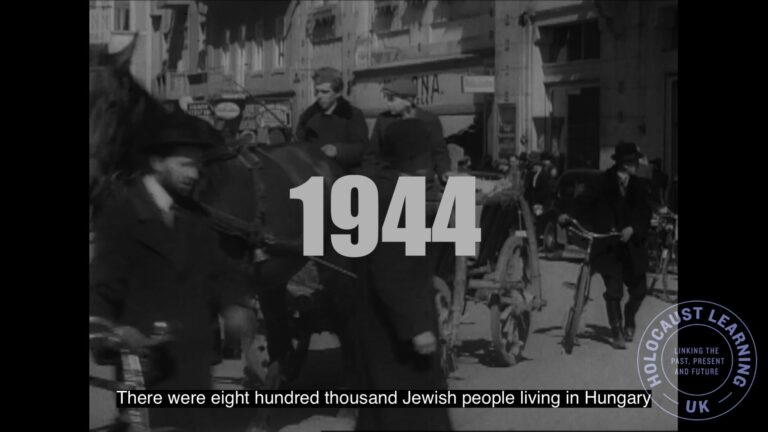
Susan was 14 when she arrived in Auschwitz-Birkenau. She describes the selection process for life, or death.
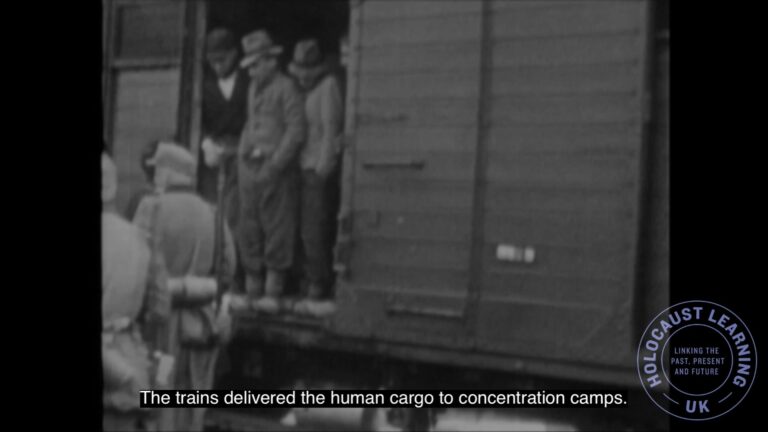
Mala was 14 when she was sent to Ravensbruck. She describes what happened to her when she arrived.
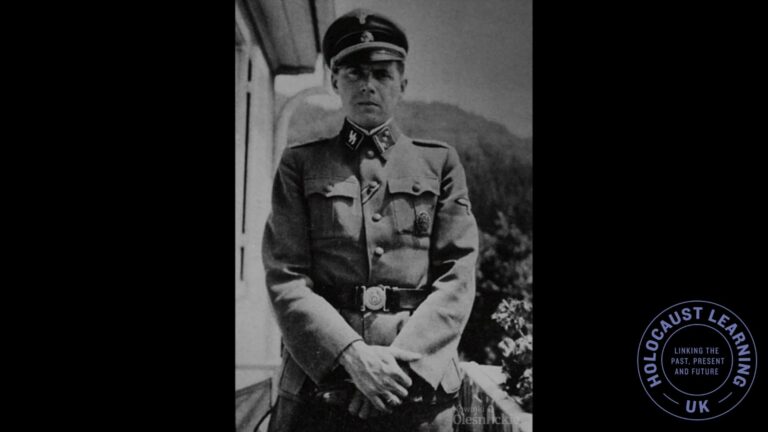
Susan was 14 when she was marched before Mengele to decide if she was suitable for slave labour.
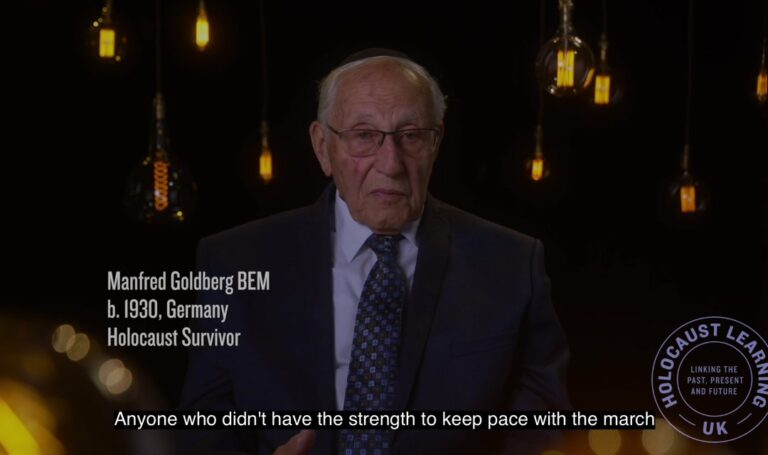
Manfred was 14 when he was forced on to a death march.
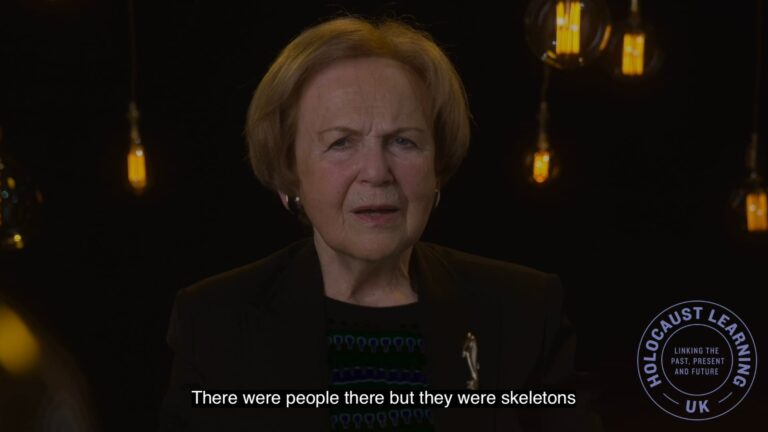
Mala was 14 when she arrived at Bergen-Belsen concentration camp.
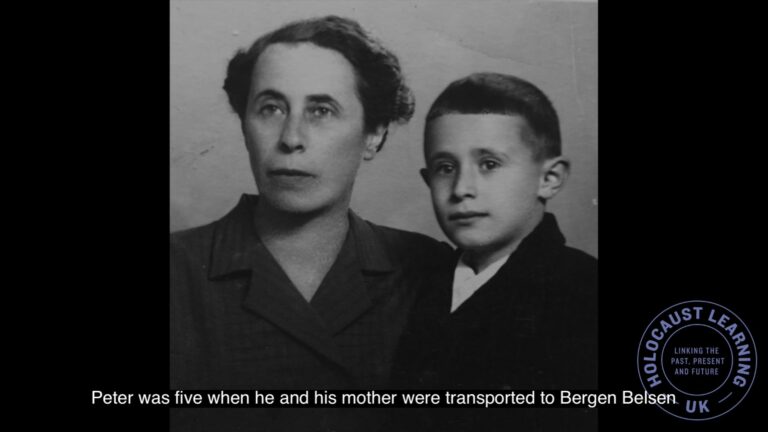
Peter was 5 when he was transported to Bergen-Belsen with his mother.